
One of the most common questions players ask is how long do tennis strings last, yet there’s no single answer that applies to everyone. Some players break strings every few weeks, while others continue using the same set for months without realizing their performance has gradually declined. Although the strings may still look intact, they could have already lost the tension, responsiveness, and feel that helped you play your best.
Understanding what affects string lifespan, and recognizing the signs that it’s time for a restring, can help you avoid inconsistent performance and unnecessary frustration. If you are a beginner, a regular club player, or a serious competitor, knowing when to replace your tennis racket strings is an important part of maintaining your equipment and improving your game.
Unlike the racquet frame, tennis strings are consumable equipment.
Every shot places stress on the string bed. During impact, the strings stretch, snap back into position, and absorb energy. Thousands of repetitions gradually change how they perform.
Many players assume their strings are fine simply because they haven’t broken.
In reality, string performance usually declines long before breakage occurs.
As strings age, they begin to lose tension, elasticity, and resilience. This affects how the ball leaves the racquet, making shots feel less predictable even if your technique hasn’t changed.
Professional players understand this well. They don’t wait for their strings to snap before replacing them. Instead, they monitor how the string bed feels and restring proactively to maintain consistency.
For recreational players, adopting a similar mindset can lead to more reliable performance and greater confidence on court.
String lifespan depends on far more than playing hours alone.
Several factors work together to determine how quickly your strings wear out.
The more often you play, the faster your strings deteriorate.
A player hitting five times a week naturally places much greater stress on the strings than someone who plays twice a month.
Even if the strings don’t break, repeated impacts gradually reduce their performance.
Different materials wear at different rates.
| String Type | Typical Lifespan | Performance Characteristics |
| Polyester | Excellent durability | Spin and control |
| Multifilament | Moderate | Comfort and power |
| Natural Gut | Good if maintained | Feel and responsiveness |
| Synthetic Gut | Moderate | Balanced performance |
Polyester tennis racket strings generally resist breakage well but often lose their playing characteristics before they actually snap. Softer materials may feel excellent initially but can show signs of wear more quickly depending on playing style.
Choosing between these materials isn’t simply about durability, it should also reflect your comfort preferences, playing level, and performance goals.
How you strike the ball has a major impact on string lifespan.
Players who generate heavy topspin create greater friction between the main and cross strings. Over time, this causes visible notching and accelerates wear.
Flat hitters generally place less friction on the strings, meaning their setup may last longer even if they play just as often.
Similarly, players who hit with greater pace typically stress the strings more than those with slower, controlled swings.
The thickness of your strings also influences durability.
As discussed in our Tennis String Gauge Guide, thinner strings generally provide greater feel and spin potential but tend to wear more quickly than thicker gauges.
| Gauge | Durability | Feel | Spin Potential |
| 15L–16 | Higher | Moderate | Good |
| 16L | Balanced | Good | Very Good |
| 17–18 | Lower | Excellent | Excellent |
This doesn’t necessarily mean thicker strings are always better. Many players happily sacrifice some durability in exchange for improved feel and spin.
The right balance depends on your priorities.
Although every player is different, the following table provides a useful starting point.
| Player Type | Typical Restring Frequency |
| Beginner | Every 3–6 months |
| Recreational Player | Every 2–3 months |
| Club Competitor | Every 4–8 weeks |
| Tournament Player | Every 1–3 weeks |
| Professional Player | Often every match or practice session |
These aren’t strict rules.
Some recreational players break strings frequently, while some advanced players rarely do.
The key is understanding how your own strings behave rather than following someone else’s schedule.
Many players wait until a string breaks before considering a restring.
Unfortunately, that’s often too late.
Performance usually begins declining much earlier.
Here are several warning signs to watch for.
Do shots begin flying long even though your technique hasn’t changed?
As strings lose tension, the ball can launch higher and become more difficult to control.
If you’re constantly making adjustments to compensate, your strings may no longer be performing as intended.
One of the first things many players notice is reduced spin production.
Older strings move less freely and recover more slowly after impact.
This reduces the snapback effect that helps generate topspin.
Players who rely heavily on spin often notice this change before anything else.
Fresh strings generally feel lively and responsive.
As they age, that crisp response gradually disappears.
The racquet may begin feeling muted, sluggish, or simply less enjoyable to use.
Although this change can happen gradually, it often becomes obvious after comparing an older racquet with a freshly restrung one.
Look closely where the main and cross strings intersect.
Deep grooves or notches indicate significant wear.
Once these become pronounced, breakage is often only a matter of time.
More importantly, notching restricts string movement, reducing both spin potential and consistency.
Perhaps the biggest indicator is unpredictability.
One shot feels perfect.
The next launches unexpectedly.
Then another lacks depth altogether.
When your strings stop producing consistent results, it becomes difficult to trust your equipment.
For many players, that’s the clearest signal that it’s time to restring.
One of the biggest misconceptions among recreational players is that a restring isn’t necessary until a string snaps.
In reality, breakage is only one indicator that your strings have reached the end of their useful life. Long before that happens, they gradually lose tension, elasticity, and their ability to return to position after impact. The result is a string bed that feels less predictable, even though it may still look perfectly usable.
Think of it like a pair of running shoes. They don’t suddenly stop working one day, but their cushioning and support slowly deteriorate with use. Tennis strings behave in much the same way. Performance declines gradually, making the change easy to overlook until you compare an older setup with a freshly restrung racquet.
If you’re constantly adjusting your swing because shots are flying long, lacking spin, or feeling unusually harsh, the issue may not be your technique, it could simply be tired strings.
Rather than waiting for breakage, pay attention to how your racquet performs. Consistency is often a much better indicator than visible damage.
Professional players rarely wait for strings to break.
Instead, they monitor how the racquet performs and replace strings before performance begins to decline. Their goal isn’t simply to avoid breakage, it’s to ensure every racquet feels as close as possible to the one they practiced with.
This approach becomes even more important during tournaments, where confidence in equipment can influence every point. A slight change in feel, tension, or response may not seem significant to a recreational player, but at the highest level, those small differences matter.
Former ATP professional and New Zealand Davis Cup No. 1 Rubin Statham experienced this challenge throughout his career. Competing around the world meant relying on different tournament stringers, machines, and calibration standards despite requesting the same specifications. Even when using identical strings and tensions, the final result wasn’t always consistent.
In one year alone, Rubin and his twin brother reportedly spent more than $17,000 on professional restringing services while still encountering variations in stringing quality. That experience reinforced an important lesson: finding the right setup is only part of the equation, being able to reproduce it consistently is equally important.
While most club players don’t need the same restringing schedule as touring professionals, they can learn from this mindset. Don’t judge your strings solely by whether they’ve broken. Judge them by whether they still perform the way you expect.
Absolutely.
Not all strings are engineered to deliver the same balance of durability, tension maintenance, and playability. While every string gradually loses performance, higher-quality stringers strings are often designed to maintain their characteristics for longer, providing a more consistent response throughout their lifespan.
However, durability shouldn’t be your only priority.
A player who values comfort may prefer a softer multifilament, even if it wears more quickly. Someone who generates heavy topspin might choose a polyester string that withstands repeated friction better. The “best” string isn’t simply the one that lasts the longest, it’s the one that supports your style of play while maintaining reliable performance between restrings.
This is why selecting strings should always involve balancing feel, control, spin, comfort, and longevity rather than focusing on a single feature.
Learning how to pick tennis strings starts with understanding your own priorities rather than copying professional setups.
Ask yourself a few simple questions:
Your answers will help narrow your options.
| Playing Priority | Recommended String Characteristics |
| Maximum durability | Polyester, thicker gauge |
| Comfort | Multifilament or natural gut |
| Spin | Shaped polyester or thinner gauge |
| Balanced performance | Synthetic gut or hybrid setup |
| All-round playability | Mid-gauge multifilament or hybrid |
Remember, no single string is perfect for every player. The goal is to find a setup that complements your game and continues to perform consistently throughout its lifespan.

Although all strings eventually wear out, good maintenance habits can help preserve their performance for longer.
These simple habits won’t prevent tension loss entirely, but they can slow unnecessary deterioration and help you get more consistent performance from each restring.
String lifespan is closely connected to every other part of your setup.
The type of string you choose, its gauge, the installed tension, and the quality of the stringing process all influence how long your racquet performs at its best.
If you’re still deciding on the right tension, our Tennis String Tension Guide explains how small adjustments can affect power, control, spin, and comfort.
Likewise, if you’ve identified that your strings have reached the end of their useful life, our Tennis Racquet Restringing Guide walks you through when to restring and why maintaining a regular restringing schedule can improve consistency on court.
Looking at these factors together, not in isolation, will help you build a setup that stays reliable for longer.
Tennis strings don’t have a universal lifespan. How long they perform at their best depends on your playing frequency, technique, string material, gauge, and the care you give your equipment. More importantly, performance often declines well before the strings actually break.
By learning to recognize the signs of tension loss and wear, you can replace your strings before they begin affecting your confidence and results. Adopting the same proactive approach used by professional players allows you to enjoy a more consistent and predictable racquet, making every session on court more rewarding.
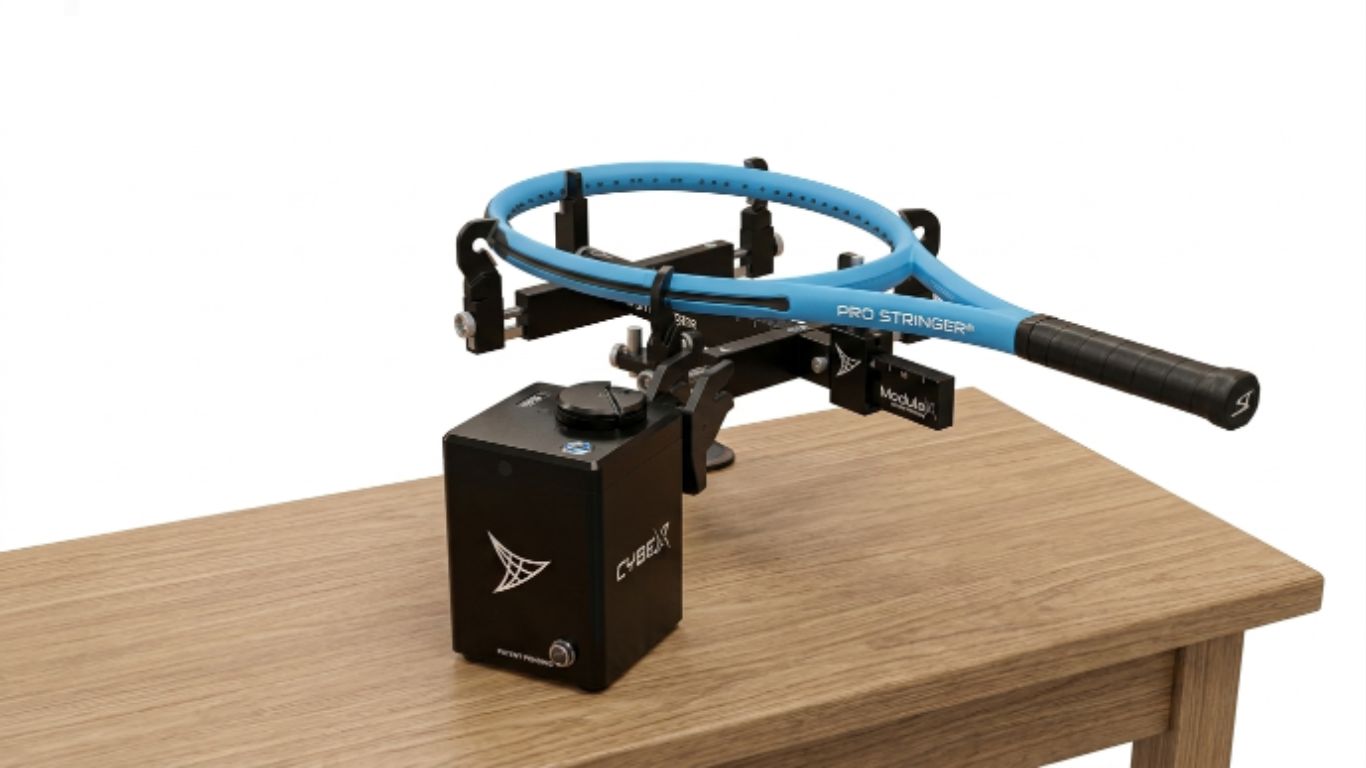
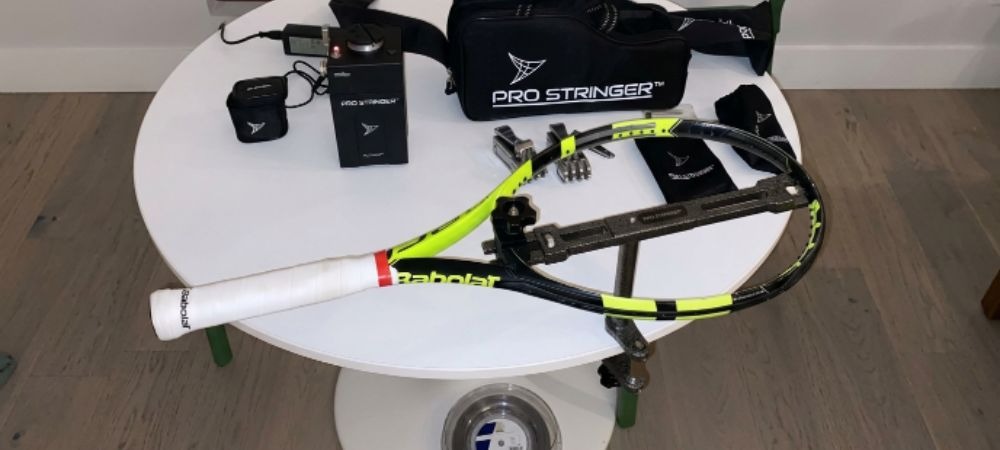
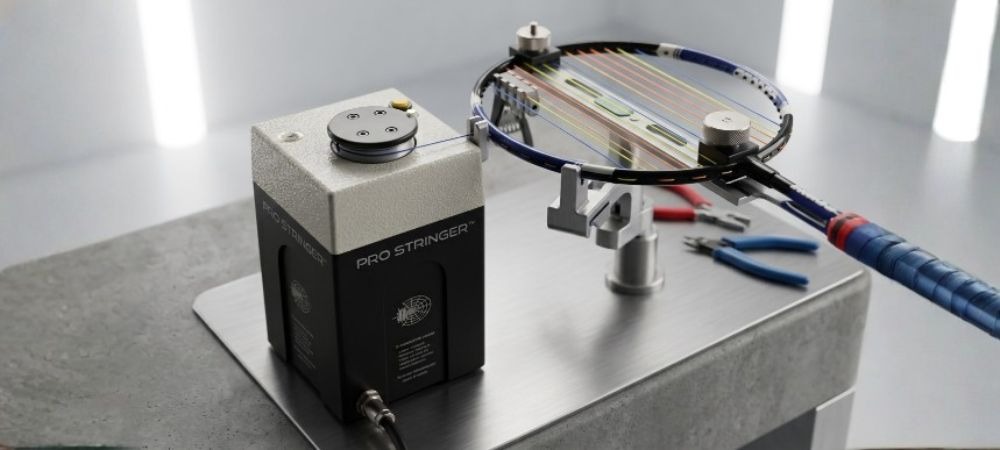
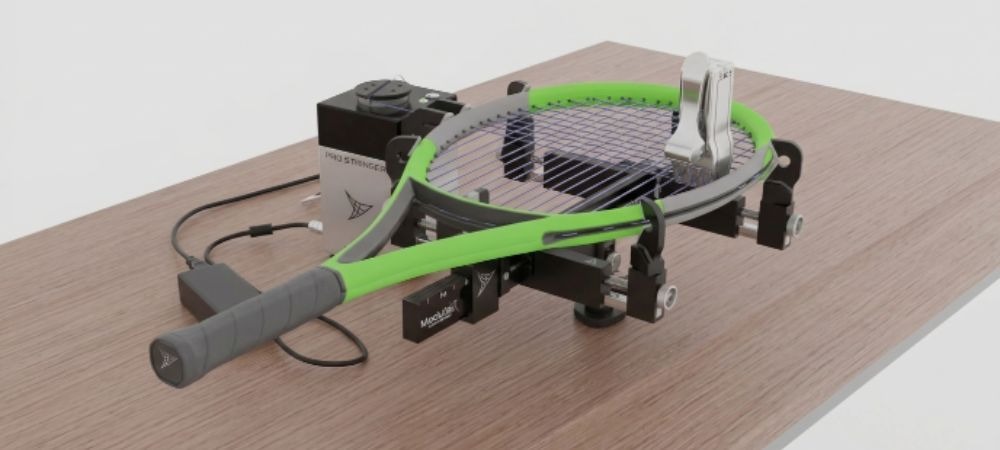
If you’re looking for greater control over your restringing schedule and want to reproduce the same trusted setup every time, exploring Pro Stringer’s range of professional stringing solutions can help you achieve more consistent results while reducing your reliance on varying shop stringing services.
It depends on how often you play, the type of strings you use, and your playing style. Recreational players may restring every two to six months, while competitive players often restring every few weeks.
Yes. Most strings lose tension and playing performance long before they break. If your racquet feels less responsive or consistent, it’s probably time to restring.
Polyester strings generally offer the greatest durability, particularly for players who hit with heavy topspin. However, they may lose playability before they snap.
While all strings wear over time, proper storage, avoiding extreme temperatures, and inspecting your strings regularly can help extend their usable lifespan.
Common signs include reduced control, less spin, a duller feel at impact, inconsistent ball response, and visible notching where the strings intersect. These indicators often appear before the strings actually break.